
I recently discovered something fascinating about my own habits. For decades, I have been copying and pasting interesting quotes, book passages, movie lines, and song lyrics into my phone's notes app without realizing I was practicing one of history's oldest intellectual traditions—keeping a commonplace book.
Perhaps you are already doing something similar. Maybe you screenshot inspiring quotes, save articles "to read later," or jot down thoughts in various apps. If so, you are closer to a transformative practice than you might realize.
Why Handwriting Matters
Marcus Aurelius' Meditations were never meant for publication—these were private philosophical exercises written during military campaigns. His notebook served as both mirror and mentor, reflecting who he was while guiding who he aimed to become.
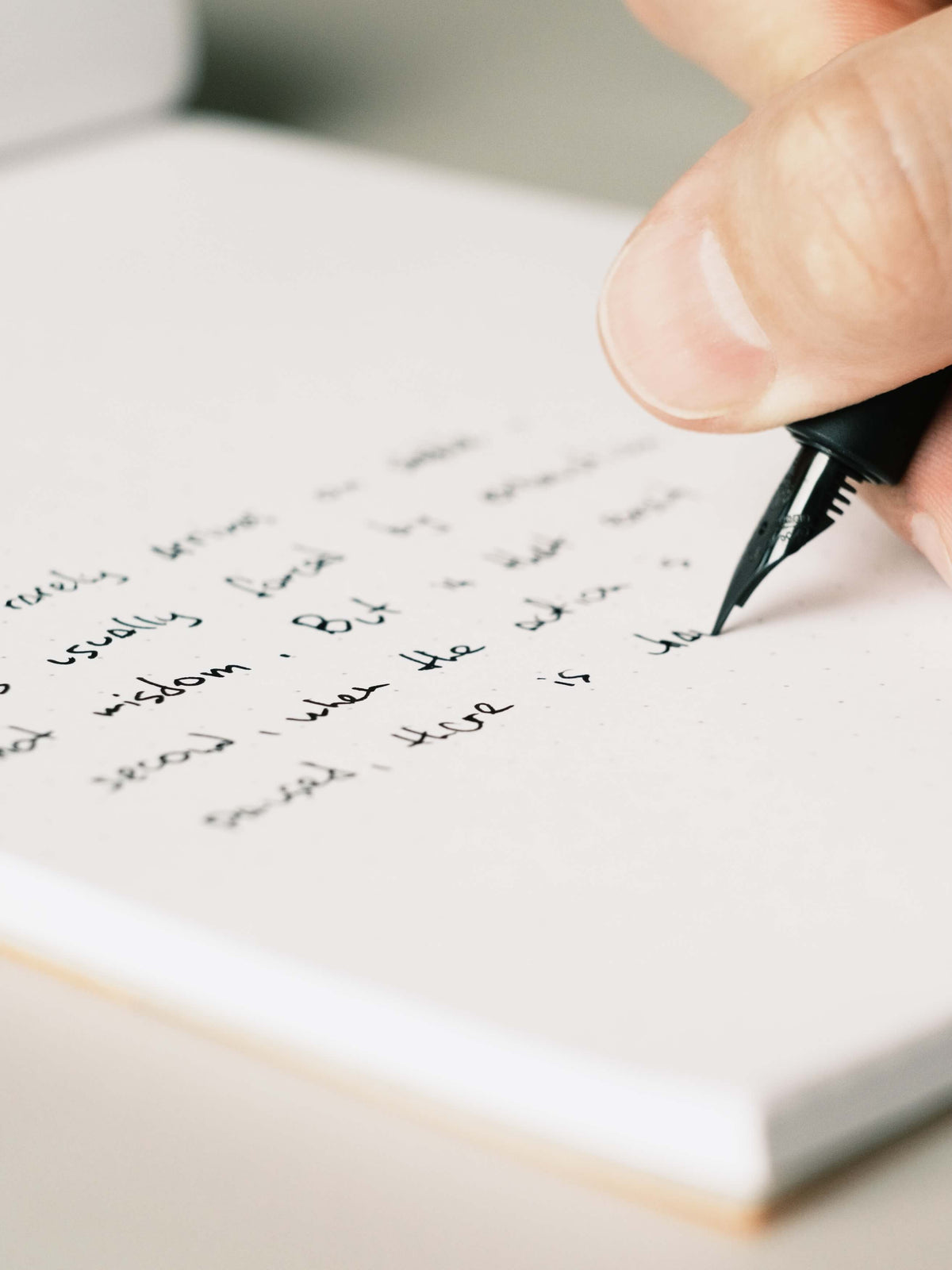
What historical thinkers understood intuitively, modern neuroscience now confirms: handwriting engages the brain differently than typing. Research shows handwriting activates neural networks 25% more extensively, while Princeton studies found handwritten note-takers significantly outperformed laptop users on conceptual questions.
Popular Modern Methods
Commonplace Books collect interesting ideas, quotes, and insights. Like my phone notes habit, but physical notebooks encourage deeper processing. Ryan Holiday maintains thousands of index cards organized by theme, calling them "a backup hard drive of your brain."
Bullet Journaling, created by Ryder Carroll, combines task management with reflection using specific symbols for rapid logging. The system includes migration—moving incomplete tasks forward without guilt.
Morning Pages requires writing three pages of stream-of-consciousness text first thing each morning, clearing mental clutter before "your inner critic wakes up."
Gratitude Journaling gained scientific credibility through UC Davis research showing people who wrote about things they appreciated were more optimistic and made greater progress toward goals.
How Successful People Use Notebooks
Tim Ferriss uses morning pages as "brain vomit" to trap anxieties "in amber." Tech executives like Sheryl Sandberg run meetings with spiral-bound notebooks, while Richard Branson calls his notebook "my most essential possession."
Finding Your Approach
No universal "best" method exists—only the approach that fits your personality and goals. Structured methods like Bullet Journaling appeal to analytical minds. Freeform practices serve overthinkers who need to dump thoughts without editing. Visual approaches suit people who process emotions through images.
Like my evolution from digital collecting to intentional commonplace keeping, your practice does not need to be perfect from the start. Life does not need to be narrated daily—the practice works best when it serves your natural rhythms.
Begin Where You Are
Start with whatever appeals most: gratitude lists, task tracking, quotes collection, or daily observations. Give any approach two to three weeks before deciding if it serves you.
Whether you begin with a premium notebook from our collection or a simple spiral-bound book, what matters is starting. Your decades of collecting thoughts in digital notes shows you already understand curation. Now imagine that discerning mind applied to physical practice—the deeper processing, serendipitous connections, and satisfaction of flipping through pages of your own insights.
The notebook awaits. What will you discover when you put pen to paper?

Share: